Bitter Gourd Production Plan
Land Preparation and Sowing Method
Introduction and Importance:
Karela also known as bitter gourd, is a popular vegetable during the winter season due to its essential characteristics. It is known for its medicinal, nutritional and other excellent health benefits for human being. It develops the immune system, making the body more resistant to diseases like indigestion, malaria, chickenpox, diabetes, and cancer. It is cultivated throughout Punjab, but Faisalabad, Toba Tek Singh, Jhang, Rahim Yar Khan, Bahawalpur, Bahawalnagar, Multan, and Vehari are suitable for growing bitter gourds.
Soil Type and Preparation:
Bitter gourd thrives in well-drained, loamy soils with good fertility. The soil should be loose, crumbly, and rich in organic matter. Sandy loam or loamy soil types are generally suitable for bitter gourd cultivation. Ensure the selected site has good drainage to prevent waterlogging. Bitter gourd plants are susceptible to root diseases in waterlogged conditions. Avoid areas prone to water accumulation, as excessive moisture can lead to root rot and other fungal infections.
Sandy loam soil which is rich in organic matter and has good drainage system is ideal for the bitter gourd cultivation. The pH of the soil ranging from 6.5-7.5 is best for bitter gourd farming. Mix 10 to 12 tons of organic manure per acre a month before sowing, plough the land, and thoroughly mix the basal dose of fertilizer. Then, irrigate the field. When the soil becomes in wattar conditions (optimum soil moisture conditions), prepare the land with two to three rounds of planker, and conserve the moisture. Finally, plough the field two to three times with planker to make the soil soft.
Seed Rate and Sowing Method:
Seed Rate:
Use 1.5 to 2 kg seed per acre.
Sowing Time:
Crop planted in mid-February to March is ready for fruit from May to September. While July planted crop is harvested from August to December.
Sowing Method:
Prepare the field and create beds at 8-feet distance. Plant 2 to 3 seeds per hole on both sides of the beds at a distance of 1.5 feet, ensuring that the seed depth does not exceed one inch. Before sowing the seeds, it is recommended to treat the seed with 2-3 grams per kilogram of a recommended insecticide or fungicide. Afterward, irrigate the field.
Use of Plastic Net:
Planting on plastic nets increases yield because it enhances the number of plants in the field. To install plastic nets for cultivation, mark at 2 meters' distance, construct beds, and when the plants have 4 to 5 leaves, cover them with plastic nets. This crop can be successfully grown inside a greenhouse for off-season vegetables. After removing the plastic, place nets on the tunnel for this purpose.
Approved Varieties of Bitter Guard
Faisalabad Long:
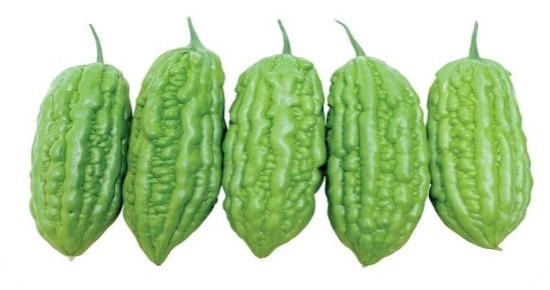
The color of this type of variety is light green, and it matures early. This variety exhibits strong resistance against diseases, particularly leaf diseases like powdery mildew. The yield potential for this type is 18 tons per hectare.
Aswad:
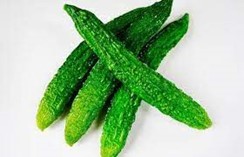
The fruit of this type is deep green in color and of medium size. This fruit is highly preferred in the market. Compared to other varieties, this type has a greater ability to withstand heat. The yield potential for this type is 24 tons per hectare.

Safina:
The fruit of this type is green and of large size. This variety exhibits resistance against diseases like powdery mildew and viruses, and it carries good yield potential.
Irrigation
After planting, provide adequate moisture to the sown area, especially during the germination phase. Ensure the soil remains consistently moist but not waterlogged to support seed germination and seedling growth. Subsequently, irrigate at weekly basis. During hot weather, irrigate with four days interval or as needed. Since bitter gourd is summer season vegetable, consistent irrigation is crucial. It's important to maintain a regular irrigation schedule, and keeping the soil cool as it will result in more flowers and increased yield. Mulching can also be applied to the sown area to retain soil moisture and control weed growth.
Fertilizer Management
| Soil Type | Fertilizer Amount (kg/acre) | Fertilizer Amount (bag/acre) |
|---|---|---|
| Medium Fertile Soil |
|
1.45 bag DAP, 1.5 bag Urea, 1 bag SOP |
Note: Use water soluble potash @ 12.5kg/acre after every picking.
Weeds Management
Bitter Gourd is susceptible to damage from various weeds such as it-sit, swanki, deela, and lumb grasses. To prevent these weeds, Pendimethaline can be sprayed at a rate of 800 ml per acre in 100 liters of water. This mixture can be sprayed on the crop one day after planting.
Hoeing and Pruning:
When three to four leaves emerge on plant, then remove weak plants leaving behind the healthy ones, at a distance of 1.5 feet. Regularly hand-remove weeds from the bitter gourd beds, especially during the initial growth stages when weeds are most competitive. Use hand tools to remove weeds carefully to avoid damaging the roots of the bitter gourd plants.
Disease Management
Downy Mildew:
Yellow spots or irregular patterns initially appear on the upper leaf surface, later enlarging and merging to cause extensive yellowing. Grayish-white to purplish downy growth (fuzzy or cottony appearance) develops on the undersides of infected leaves, representing the fungal mycelium. Stunted growth, reduced vigor, and overall compromised plant development can occur due to downy mildew infection. The disease spreads rapidly in temperatures of 15°C and above, with humidity exceeding 80%, especially during cloudy and rainy weather.
Solution:
Spray flomarf + Fosetyl Aluminum @ 5g/liter of water.
OR
Mancozeb + Simoksanil @ 6g/liter of water.

Foot Rot:
The leaves of the plant turn yellow, and their growth become stopped. The affected plant stem appears relatively healthier when compared to healthy plants in close proximity to the ground. If the plant is uprooted, the roots are observed to be rotten. The onset of this disease becomes more severe with an increase in underground temperature and in dry soil conditions.
Solution:
- Treat the seed before sowing with fungicide.
- Flood Thiofenate methyl 70% @ 1kg OR Fosetyl aluminum 80% @ 1kg per acre.
Powdery Mildew:
Small, round, white spots begin to appear on the lower surface of leaves. These spots contain white powder. Gradually, these spots emerge on other parts of the plants, such as stems and fruits. In severe attack, the leaves turn brown and wither. The growth of plants ceases, and often, the taste of the fruit is affected. The intensity of the disease increases when temperatures ranges between 20 to 25°c and humidity below 50%.
Solution:
Spray Thiophenetae methyl @ 4g liter of water.
OR
Spray Trifloxystrobin + Tebuconazole 75% @ 65g/100 liter of water.

Wilting:
Wilting disease in bitter gourd, also known as Fusarium wilt, is a serious fungal infection caused by the soil-borne fungus Fusarium oxysporum. This disease can lead to severe damage to bitter gourd plants. It causes stunted growth, yellowing and wilting of leaves, wilting of entire plant, vascular discoloration and root rot in bitter gourd plants. Preventive measures such as using disease-free seeds, practicing crop rotation, avoiding waterlogged conditions, and maintaining proper sanitation practices are essential in managing Fusarium wilt.
Solution:
- Treat the seed before sowing with fungicide.
- Flood Thiofenate methyl 70% @ 1kg OR Fosetyl aluminum 80% @ 1kg per acre.

Insect Management
Aphid:
The nymph and adult cause damage by sucking sap from the lower side of leaves. They excrete a sweet substance that leads to the development of a black, sooty mold fungus on the leaves, severely impacting the process of photosynthesis. The infestation is most severe from February to March. The growth of young plants is stunted, and they do not give desirable produce. Weather conditions with high humidity and low temperatures favor the increase of aphid attack.
Control:
Spray Imidacloprid 20 SL @ 250 ml/acre
or
Flonicamid 50% wdg @ 60g/acre

Whitefly:
Whitefly insect have pale yellowish body, covered by a white powdery substance, giving it a whitish appearance. Both adults and nymphs affect plants by extracting sap through their sucking mouthparts. Apart from sap extraction, whiteflies also secrete a sweet, sticky substance, which, can lead to the growth of black sooty mold on plants and affected parts of the plants become dark. Whiteflies adversely affect plants by reducing their ability to photosynthesize, resulting in weakened growth and diminished crop yield. The whitefly is active throughout the year, with a higher prevalence from June to August, particularly affecting vegetables. The dry and hot conditions, especially during the summer months, create favorable circumstances for whitefly infestations.
Control:
Flonicamid 50% wdg @ 80g/acre

Leaf Minor:
The attack of this insect is more severe in tunnel cultivation. This insect consumes the green material of the leaves by chewing, leaving irregular white streaks visible on the leaves.
Control:
Spray Bifenthrin 10% @ 330ml in 100litr of water.

Fruit fly:
Generally, they are yellowish in color. Female whiteflies create tiny holes in fruits and lay eggs inside the fruit. The holes eventually close up. Once the eggs hatch, the nymphs emerge and feed on the inner side of the fruit. This feeding causes damage to the fruit, rendering it unsuitable for consumption.
Control:
Spray Clothianidin 20% @ 200ml in 100litr of water.

Harvesting
Typically, the first picking is done two months after planting. Fruit harvesting is done every fourth day, corresponding to the appropriate ripening standerd. Picking should be done either in the morning or evening. Keep the vegetables in a shaded area and cover them with a damp cloth to prevent wilting.




.webp)
