Land Preparation and Sowing Method
Climate and Sowing Time:
- Dry and moderate climate is suitable for chillies cultivation.
- The best time for nursery cultivation in central areas of Punjab is late November to December.
Field Selection and Land Preparation:
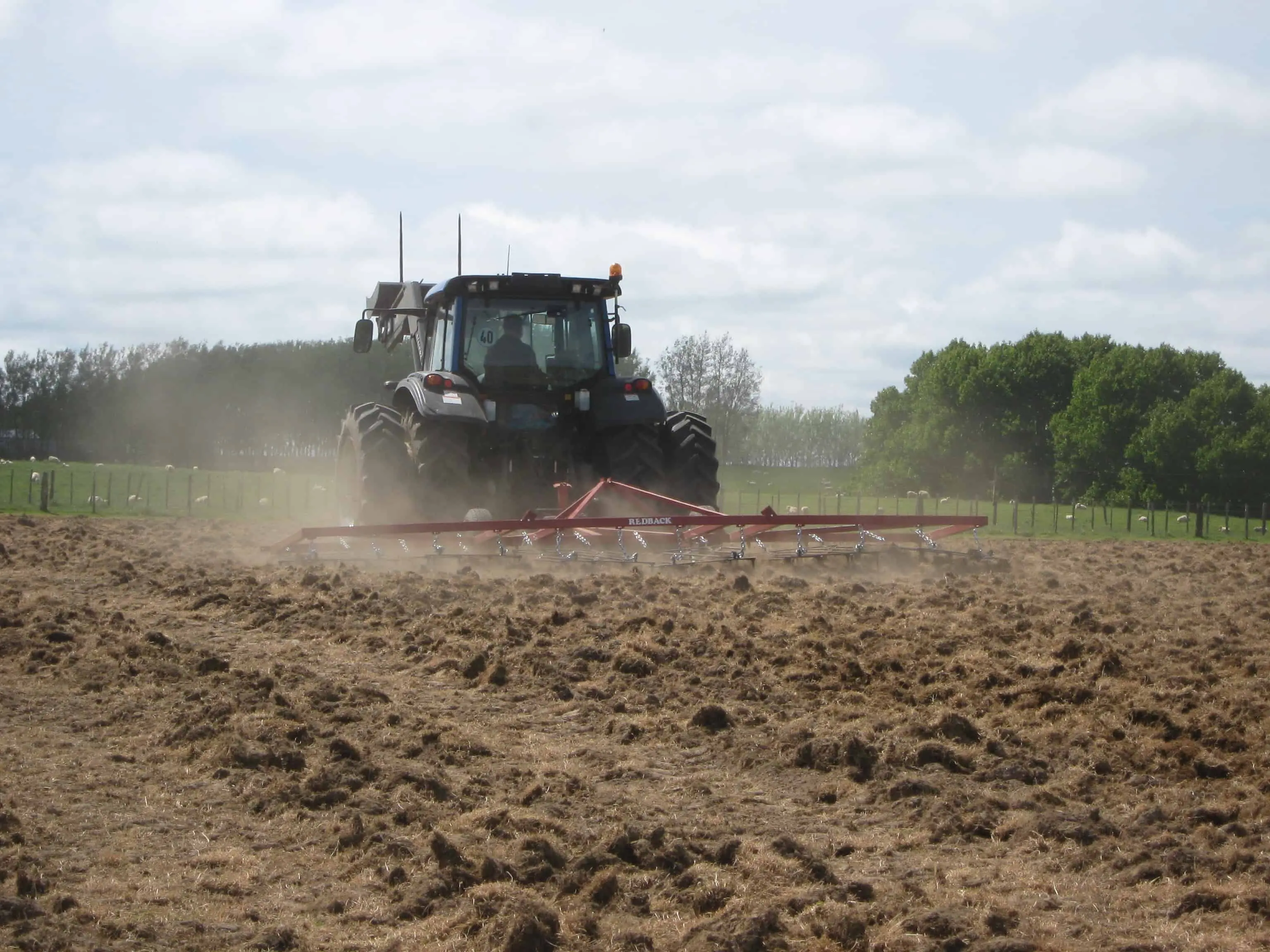
Chilies grow best in sandy, sandy loam, loam and clay loam soils which are well aerated. Saline, water logged, and clayey soils are not recommended for its cultivation. Crop is particularly susceptible to seedling diseases. Growers should practice crop rotation and avoid fields which have recently been planted with tomato, brinjal, peppers or white potatoes. Soil should be ploughed to the depth of the expected root zone (3 to 4 inches) and should be well pulverized. Normally, soil preparation of 12 to 18 inches deep is considered optimal. Residues of the previous crop should be thoroughly mixed up in the soil through ploughing as it will also increase the organic matter in the soil. By using laser land leveler, farmers can level fields to optimize the water and nutrients application uniformly across the whole field. Uneven land patches will result in over-irrigation in some areas and under-irrigation in others, resulting in uneven crop and yields. Uneven water movement also affects fertilizer movement. If water and fertilizer is not optimum, yields will not be optimum.
Ridge Formation:
The chili crop is mainly grown through direct seeding or planting seedling transplants on ridges (also called beds) with row to row distance of 3 feet. Furrows between the rows serve as irrigation channels and ridges prevent water-logging of the root zone since the ridge tops are above the zone that is watered. Preventing water-logged ridges will help to prevent seedling diseases. Drip irrigation is an option for highly efficient irrigation, with efficiencies exceeding 90%, and it can easily be established on ridges.

Seed Rate:
| Type | Quantity |
|---|---|
| Non-Hybrid varieties | 250g seed for 1 acre Nursery |
| Hybrid varieties | 120-150g seed for 1 acre Nursery |
Nursery Preparation:
- 1-1.25 marla (272-340 square foot) nursery area is required to transplant one acre of land.
- Before 1-1.5 month of nursery sowing, mix 20-25 kg of organic manure and 0.5 kg urea in the soil per marla (272 square foot) of the land and apply irrigation. Weeds will emerge and requires hoeing and leveling of the land before seedbed preparation for planting the nursery.
- The seed should be sown at a depth of 1-1.5cm.
- Plant to plant and row to row distance should be 2cm and 5-7cm respectively during nursery preparation.
- After sowing, cover the seeds with a light straw mulch (wheat or rice straw).
Nursery Management:
- Use straw mulch to cover the seed bed and to protect young seedlings.
- Nursery grown in late October or first week of November germinates in 10-12 days.
- Reduce the weight of mulch to half after complete emergence of seedlings to give the plants adequate light and aeration.
- Remove diseased and dead plants from nursery.
- Keep the soil moist until the height of the nursery is 4-5cm and then increase the irrigation interval as needed.
- Ample weeding should be done to ensure better crop stand.
- Stop irrigating the seedlings 5-7 days before transplantation.
Sowing Method:
- Make ridges at a distance of 75cm for cultivation after manure application.
- Maintain 30-45cm plant to plant distance.
- In November, chilies can also be grown directly from seed in tunnel while in open field during February (Punjab).
- Nursery should be shifted in main field during mid or late March.
Nursery Transplantation:
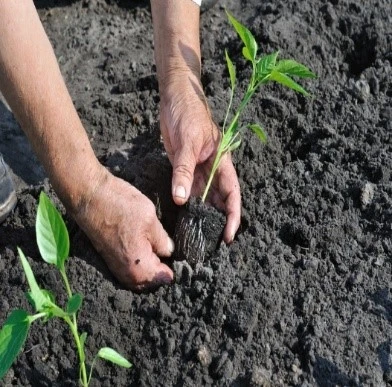
- 40-45 days old nursery is best for transplantation.
- Plants should be 10-12cm tall at the time of transplantation.
- Irrigate the nursery 2-3 hours before transplantation, to avoid damaging roots when the plants are uprooted.
Approved Varieties
Sky Red
- Red chili (market leader)
- Maximum recovery of dry chilies
- High-yielding hybrid variety
- One bunch has 10-12 fruits
- Medium plant height
- Fruit is very bitter in taste
- Ability to bear fruit continuously
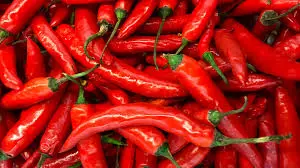
Hot Chili
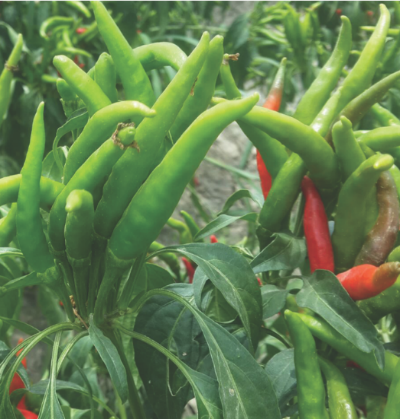
- Dark green color
- Shiny and the ability of the plant to grow rapidly
- Best in bitterness
- Ability to produce uniform size fruit
- Better shelf life
- Resistance against heat stress and diseases
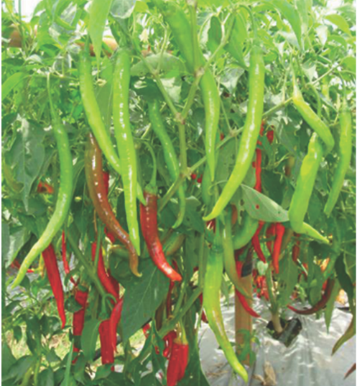
Siam Hot
- Color light green
- Hybrid and high yielding
- Rapid plant growth
- Dense and upright plant
- Length of fruit is 6-8 inches
- The fruit is bitter in taste
Golden Hot
- Pakistan's first hybrid chili with the highest productivity
- Lush green plant
- Superior to competitive varieties in the market
- Best productivity in hot weather
- Resistant to diseases

Fertilizer Recommendations
| Nitrogen (Nutrition/acre(kg)) |
Phosphorus (Nutrition/acre(kg)) |
Potash (Nutrition/acre(kg)) |
Sowing time (Nutrition /acre(bags)) |
After one month (Nutrition /acre(bags)) |
At the time flowering (Nutrition /acre(bags)) |
|---|---|---|---|---|---|
| 58 | 23 | 25 | 1 bag SOP + 1 bag DAP | 1.5 bag ammonium sulphate | 1.5 bag ammonium sulphate |
Note: The fertilizer requirements may vary for different hybrid varieties. Ensuring plant vigor and optimal fruit development are essential factors, achieved through periodic flooding with 80% sulfur at a rate of 2kg per acre every 30 days. Additionally, after each picking, it is crucial to apply a spray of 30% Potash at 500 ml per acre to promote proper fruit size development.
Irrigation and Hoeing
- Apply first three irrigations at seven days interval after nursery transplantation.
- Hoeing after 35-45 days of transplantation will protect the crop from lodging and also from weeds infestation.
- Water should not reach directly to the roots, only moisture should reach.
- There should be no shortage of water during flowering.
Weeds Management
Itsit, swanki, madhana, tandla, dela and cholai are common weeds of chilies. A fine seedbed is prepared by ploughing the land through mould-board plough followed by 1-2 deep cultivations, before nursery transplantation. After transplantation, weeds can be controlled through hoeing. For chemical control, recommended weedicides can be used.
Chemical control:
For controlling Swanki, khabal and Baru grass take spray of Quizelofop p Ethyl 15% 330ml/acre
Diseases and Their Management
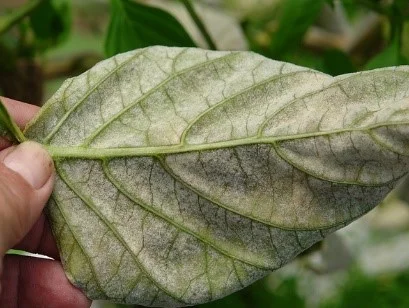
1. Powdery Mildew
Powdery mildew primarily affects the leaves of chili plants in warm, wet conditions. This disease generally affects older leaves and symptoms include patchy white, powdery growth that can enlarge to cover the entire lower leaf surface. Diseased leaves eventually drop off leaving fruit susceptible to sunscald. This condition generally requires to adopt proper plant protection measures i.e. fungicide treatment of the plants timely. Also the removal of severely infested plant parts should be done manually if possible.
2. Anthracnose
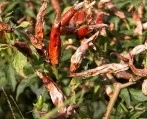
High humidity, warm temperatures and poor air circulation between plants promote disease spread. Symptoms appear in both ripe and un-ripe fruit and are characterized by sunken, circular spots that can grow up to 1 inch in diameter. In moist conditions, pink or yellow spore masses may appear. Crop rotation and the use of disease-free seed usually provides adequate control of this fungal disease.
3. Chili Wilt and Damping off
Moist and poorly drain soil causes damping off disease. It is soil borne disease. Water soaking and shrivelling of stem occurs. Seedlings killed before emergence. If it appears in nursery the entire lot of seedling may get destroyed.

4. Dieback and Fruit Rot
The branches and leaves get dried and black spots are formed on infected parts. Spots are usually circular, water-soaked and sunken with black margins. The fruits with many spots drop off prematurely resulting in heavy loss of yield. The disease spreads rapidly with blowing wind, rains during rainy season. Partially affected plants bear fruits which are few and of low quality.
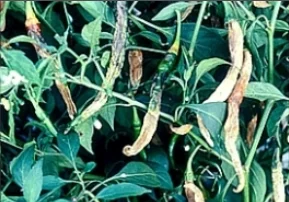
5. Leaf Curl Virus
Symptoms can vary, but in general, plants show an overall lighter color along with mosaic patterns (alternating light and dark green areas) on at least some leaves, especially on the younger leaves. Plants will often show stunting, leaf curling, and fruit under developed fruit size along with the mosaic pattern on leaves. Symptoms may be similar to those caused by cucumber mosaic virus.

Chemical Control of Diseases:
| Weeds | Chemical Name | Dose per acre |
|---|---|---|
| Chilli wilt, Damping off | Thiophanate methyl 70% Fosetyle Aluminium 80% Copper oxychloride |
Flood @1kg/acre Flood @ 800g/acre Flood @500g/acre |
| Powdery mildew, Anthracnose | Triphloxystrobin+Tebuconazol 75% Azoxystrobin+tebuconazol 50% |
Spray 65g/100 liter of water Spray 100ml in 100 liters of water |
| Leaf Curl Virus | Multimicronutrients | Spray |
Insects of Chilies and Their Control
1. Aphid
Aphids are tiny yellowish to dark-green soft-bodied insects, the adult is 1mm long and has two projections/ small ducts called cornicles on the dorsal side of abdomen.
Control:
The primary damage caused by aphids is the production of sticky honeydew and subsequent growth of black sooty mold on the honeydew. They also cause stunted plant growth by feeding on them early in the season before bloom.

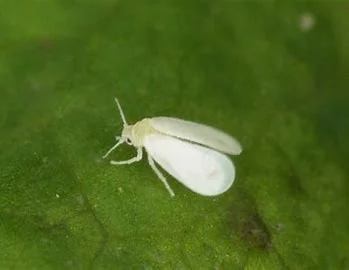
2. Whitefly
It is small winged insect having light yellow body of 1.0-1.5mm length dusted with a white waxy powder. Wings are pure white and insect has prominent long legs. Nymphs suck sap from the leaves and lower their vigor. Sooty mold develops on infected leaves and the plants give blackish appearance.
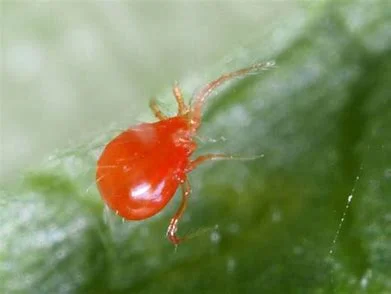
3. Mites
Very serious pest of the chili crop, particularly in Sindh. The mites show a preference for young, developing plant tissue, like the growing tips, young leaves and flower buds. Leaf feeding is mainly concentrated on the leaf underside near the leaf stalk. A typical indication of mite's attack is the appearance of dark brown edges at the base of young leaves. Like whitefly and aphids, mites mainly attack during warm and dry weather conditions.
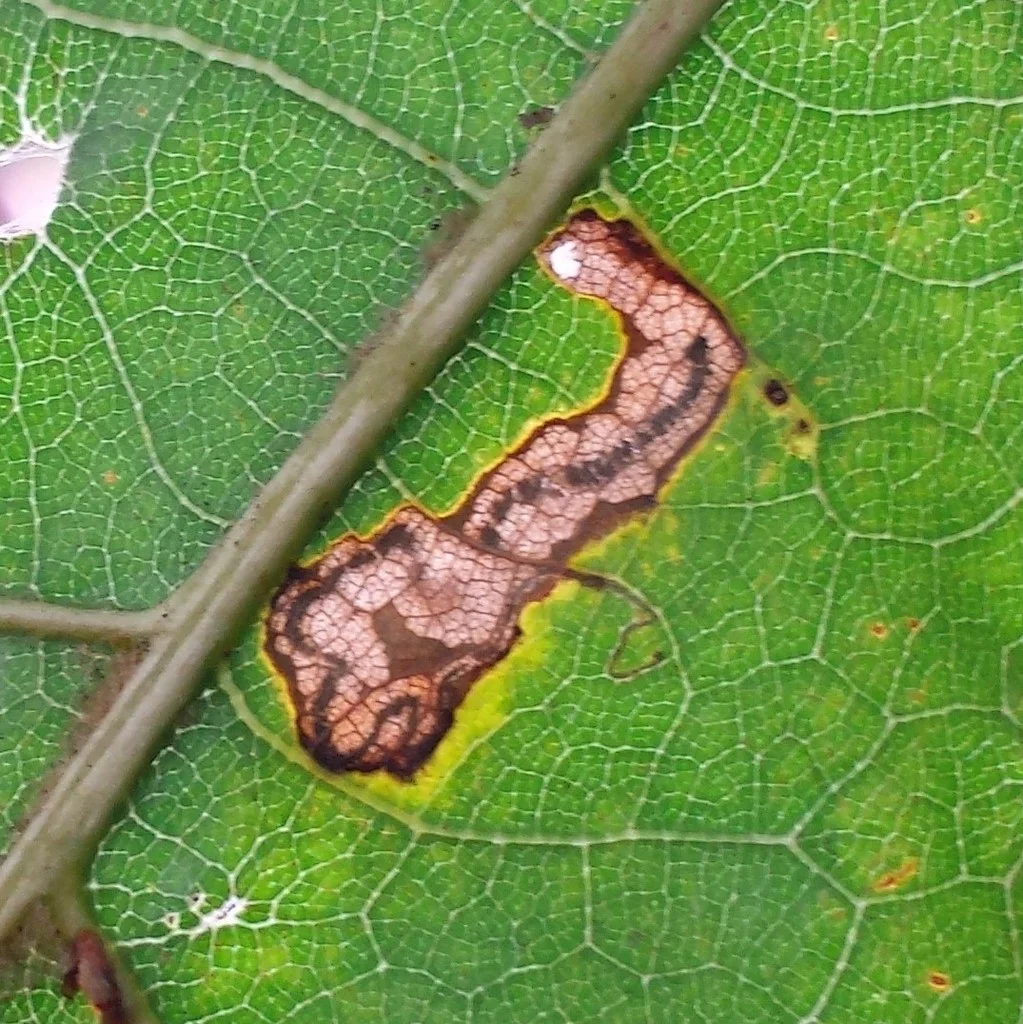
4. Leaf miner
The adults are small, shiny black flies with a bright yellow triangular spot on the upper thorax, but few people will notice them flying in a field. Larvae feeds between leaf surfaces, creating tunnels. Leaves injured by this insect, drop prematurely; heavily infested plants may lose most of their leaves. Areas mined by insects die and dry out.
5. Thrips
Chilli thrips feed on young leaves, stem terminals & developing flower buds with a sucking mouthpart. This causes leaf to become curled, bronzed & distorted. Severe infestation reduces plant growth and crop yield. Detecting chili thrips is difficult because they are very small in size (<2 mm in length).

Chemical Control of Insects:
| Pest | Chemical | Dose/acre |
|---|---|---|
| Thrips, Mites | Chlorfenapyr 36% Dimethoate 40% Chlorfenapyr + Spinosad 13% |
Spray @150-200 ml/acre Spray @ 330ml/acre Spray @150ml/acre |
| White fly, Aphid | Flonicamid 50% Azoxystrobin+tebuconazol 50% |
Spray 80g/acre Spray 250ml/acre |
| Leaf minor | Bifenthrin 10% | Spray 330ml/acre |
Harvesting
The harvest should occur when the field is dry, as harvesting in muddy conditions can reduce efficiency and increase the risk of fruit contamination. Before starting the harvest of chili plants, it is essential to ensure that they are free of dew. Usually, delaying the harvest until mid-morning is sufficient, but it is important to inspect the plants before beginning. When picking chilies, they should be immediately placed in well-ventilated plastic baskets. It is crucial to avoid using jute bags as they do not provide enough ventilation and can lead to fungal contamination and secondary diseases. To minimize disease transmission, it is necessary to wash and disinfect the baskets daily. For washing, a mild detergent and hot water should be used.




.webp)
