Potato Production Plan by GROWTECH
Importance:
- Potato is the fourth most important crop of Pakistan.
- Pakistan ranks eleventh among potato producing countries like, China, America, Germany, Poland and French.
- 86% of potato cultivation and production is calculated in Punjab.
Potato growing areas in Pakistan
| Punjab | KPK | Balochistan |
|---|---|---|
| Sahiwal, Okara, Kasur, Lahore, Sialkot, Chiniot, Vehari, Toba Taik Singh | Nowshehra, Deer, Swat, Balakot, Mansehra, Gilgit and Sakardu | Pashin, Qila Saifullah, Qallat |
Characteristics of Potato Plant:
The potato plant is shrubby perennial in nature, but as a crop it is cultivated on annual basis. Plant is bearing a multi-stem structure and can grow up to forty inches tall. Tubers are formed as swollen stems that grow underground. Productivity, growth and quality of potato crop are greatly influenced by abiotic, biotic factors, soil structure as well as adequate, balanced and timely supply of nutrients during critical stages of growth.
Climate:
Temperature:
- Potato is primarily a cold season crop as its development is influenced mainly by temperature.
- Soil temperature affects potato sprouting.
- At 6°C, the vegetative growth turns very slow.
- Usually stem growth is hindered at 9°C and becomes fast at 18°C.
- If the temperature exceeds 20°C, the growth of tuber slows down but not hampered and if the soil temperature rises above 30°C, the growth of tubers stops completely.
- A temperature of 16 to 19°C is very effective for tuber formation.
- At low temperature, tuber formation increases in number but at high temperature tubers increase in size.
Frost:
- When the temperature is less than 10°C, the tuber formation in the plants stops completely and similarly if the temperature falls below 4°C i.e. 0°C then frost becomes mandatory.
- The potato crop tolerates moderate frost conditions i.e. -1°C. But at -2°C the crop is severely damaged.
- During late December and early January, it is advisable to apply light irrigation to the potato crop at night. And spray the crop with water in the evening to wash the plants well. In this way, there will be less damage to the crop due to frost.
Frost Attack on Potato Plant:
- Frost causes burns and wilting of leaves.
- When the night temperature drops below 2°C, it causes chilling injury in plants.
- The most affected leaves are usually the upper leaves and around the edges of the plant.
- If the frost period is prolonged, the edges of the leaves turn purplish.
Frost Attack on Potato Tuber:
- Potato tubers become soft from the inside due to frost injury, and they turn black.
Treatment:
To protect the tuber from frost damage, use mixture of amino acid and bio stimulants as foliar sprays.
Land Preparation:
Fertile land with good drainage and adequate amount of organic matter in the soil (more than 1.5%) is best for potato cultivation. To get better crop stand establishment, cultivation of the soil is done to get well pulverized tilth and ploughing is done three to four times with the help of cultivator followed by rotavator. Leveling of land is very important to avoid excessive ponding of water in the field and to achieve proper soil aeration.
Time of Sowing:
Summer crop: April- May, Spring Crop: 1st Jan- 15th Feb, Seasonal crop: October
R x R distance: 2 to 2.5 feet and PxP Distance should be 6 -8 inches.
Sowing Depth: Sowing depth should be 3- 5 inches.
Sowing Method:
The seed rate of potato is 1200-1500kg/acre for autumn season and 500-600kg/acre for spring season. While cutting the seed, make sure that each piece of the seed has two or more eyes. Tubers of 35-55mm size and 45-60-gram weight are very suitable for seed. Cultivation of potatoes should be done on ridges.
Potato Seed Treatment:
- Lay the plastic sheet on the ground and spread 100kg of potato evenly on the sheet.
- Prepare a solution by adding Penflufen 24% @100 ml in 400-500ml of water / 100kg of seed.
- Spray the solution on potato seeds and shake well by holding the sheet at both ends.
- Sow the seeds when it becomes dry under shade, and repeat the same process for rest of the seeds.
Approved Varieties of Potato
| Faisalabad-White | Sahiwal-Red | Sadaf | Coroda |
|---|---|---|---|
| Faisalabad-Red | Sahiwal-White | Sialkot-Red | Barna |
| Kosmo | SH-5 | Sun-Red | Mozika |
| Diament | PRID | Pairamite | Ronado |
| Cardinal | Cardinal | Laibila | Desiree |
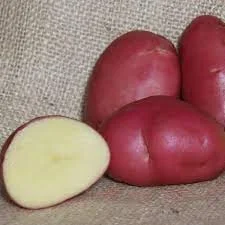
Desiree:
Salient Features
It is high yielding, early sown and red colored variety. Having good taste and quality of tuber as potatoes retain their shape after ripening. This variety is relatively susceptible to leaf blight but can tolerate dry weather as well.
Cardinal:
Salient Features
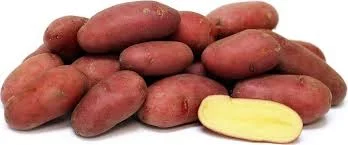
It is a high yielding and slightly late maturing variety. Its potatoes are light red in color and have large size. It can tolerate potato leaf role virus slightly. Good for storage and eating purpose. Potatoes are larger in Autumn, however, they are smaller and more numerous in Spring, due to which require higher seed rate than Autumn plantation.
Diament:
Salient Features
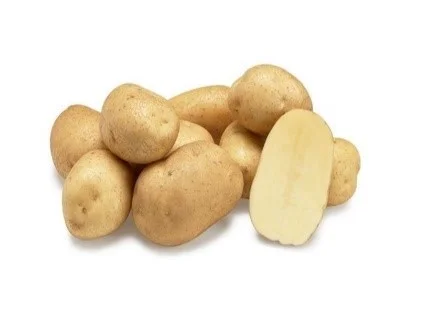
It is high yielding and slightly late maturing variety. Tubers are white in color and large in size. The eyes on tubers are less deep. It's just like Desiree in taste and preferred for fries. It is mostly grown in Sindh province. It can control better to potato leaf roll virus and frost. It's good for storage and cooking purpose.
Faisalabad White:
Salient Features
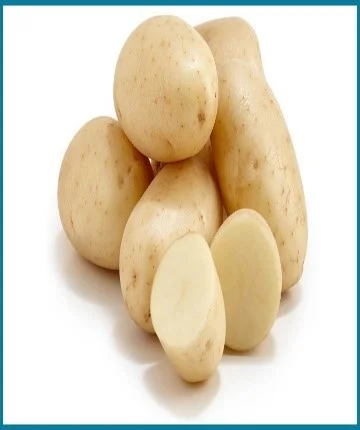
It is high yielding variety, white in color and was developed at vegetable research institute, Faisalabad. Tubers are slightly round and light yellow in color. The eyes are less deep and have a dull yellow color. This variety has better immunity against blight and other diseases. It is suitable for cooking and making chips. It can be stored for long time. It is well adapted to both hilly and plain areas.
Faisalabad Red:
Salient Features
It is a high yielding variety of dark red color and was developed at research institute of vegetables in Faisalabad. Tubers are of slightly oval shape and having slightly darker eyes. It's good for cooking and suitable for cultivation in both hilly and plan areas. It has adequate immunity against diseases.
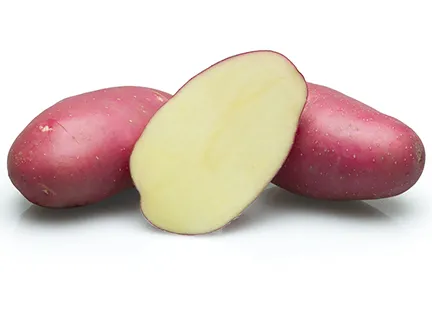
SH-5:
Salient Features
It is high yielding and dark red colored variety that matures in 70-75 days. It is produced at vegetable research institute, Faisalabad. Tubers are large in size. It's also good variety for cooking and making chips and has better immunity against diseases. Both plain and hilly areas are suitable for its cultivation.
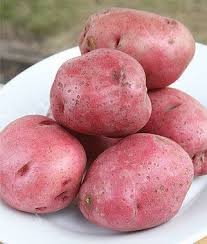
PRI-Red:
Salient Features
It's high yielding new variety of potato that is resistant to frost, bacterial and viral diseases. It has clear skin, less dark eyes and yellowish pulp. It matures in 100-120 days and suitable for hilly and plain areas.
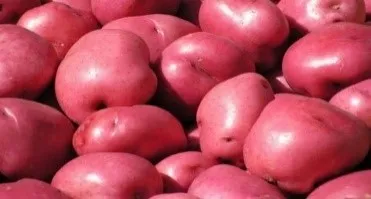
Ruby:
Salient Features
It's also a high yielding new variety of potato and having red color. It has good immunity against frost and cracking. It has clear skin and less dark eyes. It is containing 20% dry matter content, so it is suitable for cooking, storing and making chips. It matures in 100-110 days and suitable for hilly and plain areas.
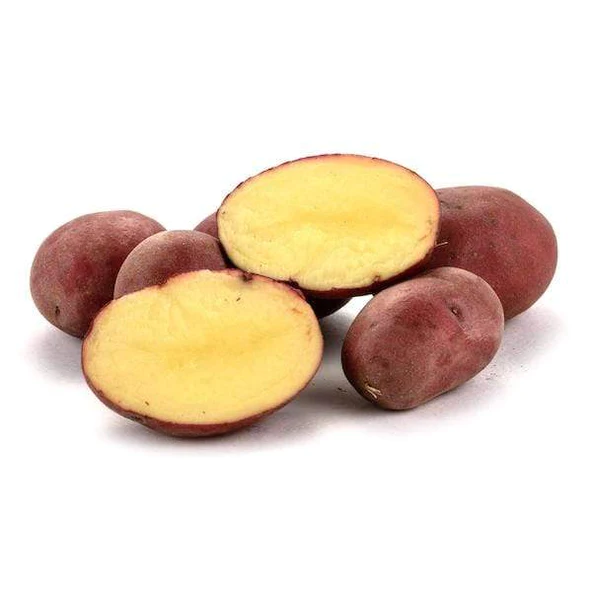
Sadaf:
Salient Features
It's high yielding new variety of potato and having white color. It has good immunity against diseases, frost and cracking. It has dry matter content up to 21%, so it is suitable for cooking, storing and making chips. It matures in 90-100 days and suitable for hilly and plain areas.
Sialkot Red:
Salient Features
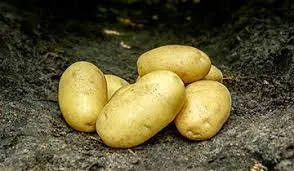
It is high yielding, red color and early maturing variety which gets mature in 70-80 days. Tubers are large in size and yellow in color. It's good for cooking and have high immunity against diseases. Its suitable for cultivation in both hilly and plan areas.

Important Growth Stages of Potato Crop
The potato crop is divided into five growth stages
| Growth Stage |
|---|
| After 20-25 days of sowing |
| After 25-50 days of sowing |
| After 45-65 days of sowing |
| After 60-90 days of sowing |
| After 100-120 days of sowing |
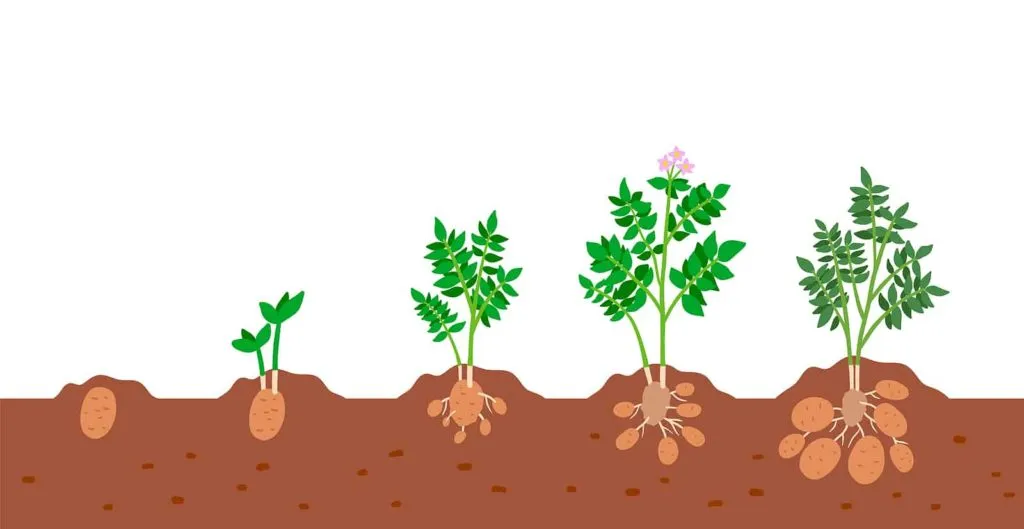
These growth stages are dependent on variety, climate, water, area and management practices. Moreover, good crop management during these stages is essential to obtain better crop yield.
1st Stage: (Planting to Emergence)
- The crop lasts for 20-25 days in this stage.
- The eyes of the seed give rise to the stem, which turns upwards and appears on the surface of the earth.
- Both drought and excess of water may lead to rotting of seed.
2nd Stage: (Vegetative growth)
- Sprouting begins to form leaves, branches and stems.
- The process of developing underground roots accelerates and stolons formation begins.
- Increased rate of photosynthesis.
3rd Stage: (Tuber Initiation)
- Tubers begin to form at the edges of stolons.
- This stage of crop lasts for 10-15 days.
- Deficiency of water at this stage adversely affects the tuber formation.
4th Stage: (Bulking)
- When food and water is provided, the cells of tubers start growing and tubers count becomes very important during this time.
- All the food and starch accumulate in tubers.
- This stage lasts for 20-25 days.
- At this stage of crop, maximum consumption of water and nutrients is achieved.
- Deficiency of water adversely affects crop production.
5th Stage: (Maturation)
- Branches of plant turns yellow, metabolic activity of leaves reduced and branches generally die.
- Tubers complete their size and the upper bark also matures.
- Crop completes this phenomenon in 15-20 days.
- At this stage, deficiency of soil moisture can cause black spots on the bark of the tubers and excess of water will cause cracks in the soil through which rotting bacteria can enter the tubers.
Fertilizer Management
GROWTECH recommends crop-specific fertilizer application based upon the soil available carbon, nitrogen and fertility status in balanced amount to achieve better crop growth and 15-20% higher yield.
- Following are the recommendation for average fertile soils for one acre.
- Use 3.5bag Urea, 2bag DAP, and 2bag SOP / acre, to get higher yield of potato
- Use 1.5bag Urea, 1bag DAP and 1bag SOP/ acre at the time of soil preparation
- Apply 1bag Urea 30days after sowing and 1bag Urea 60 days after sowing.
- Use 33% zinc sulphate @6kg/ acre at the time of 1st irrigation.
- If organic matter is not applied, use 10kg Ferus sulphate, 4kg manganese sulphate and 2kg boric acid/ acre.
Nitrogen (N)
- Helps in protein synthesis.
- It helps in cell division in plants which leads to increased plant growth.
- It is important part of vitamins.
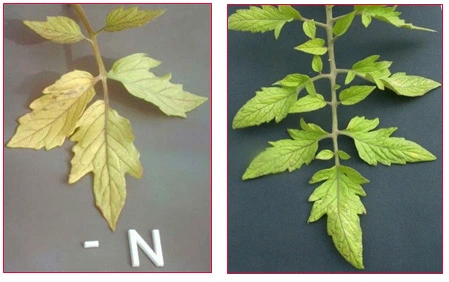
- Due to N deficiency, the height of plants remains short, deficiency of chlorophyll biosynthesis occurs and that leads to yellowing of the crop.
Phosphorus(P)
- It helps in digestion, respiration and energy storage.
- It helps in root growth and strength.
- Improve the quality of fruits and vegetables.
- P deficiency negatively affect the quality of fruits, grains and crop yield.
Phosphorus deficiency symptoms
- The edges of the leaves curl upward.
- Root growth turns very slow and color becomes dark green.
- Underdeveloped tuber size and more starch accumulation.
Potash deficiency symptoms
- Colour of the leaves turns dark- green.
- Inter nodal distance decreases and the leaf margins turn downwards.
- Excess of potash reduce starch content in tubers.
Advantages of Bio-Organo Phosphate (BOP)
- More effective in alkaline soils.
- Contain readily available P.
- Phosphorus availability is better due to presence of phosphate solubilizing bacteria.
- A continues supply of phosphorus ensures a definite increase in yield.
Phosphorus 20% Organic Matter 15%
Potassium Humate (Humic acid 10% + Potash 3.5 %)
- the growth process.
- Dissolve fixed phosphorus.
- Make the soil pH crop friendly.
- Chelate micronutrients and help to more uptake for plants.
Flood with Urea after 25-30 days of sowing at the rate 10 liter per acre.
Role of Zinc (Zn) in Potato Crop
- Make plants healthy by optimizing photosynthesis.
- Increase the efficacy of other fertilizers
- It helps to promote starch biosynthesis and carbohydrates accumulation in potato
| Type of Zinc | Dose | Time/Method |
|---|---|---|
| Zinc Sulphate 27% | 8kg/ acre | Broadcast 35-40 days after sowing |
| Zinc Sulphate 10% | 10Litre/acre | Flood with Urea 35-40 days after sowing |
| Chelated Zinc 5% | 2kg/ acre | Broadcast 35-40 days after sowing |
Uses of Boron in Potato Crop:
- Increase immunity against diseases and seasonal stress
- Increase in potato size and number of rations
- Strengthens potato skin by improving calcium movement in the cell wall
- Increase the shelf life of potatoes
Uses of Potash in Potato Crop:
- Increase immunity in potato plants
- Increase the efficiency of nitrogen fertilization
- Make the crop lush and green
- Improve potato size and quality
Always use chloride free potash
Use of Fertilizers In Potato Crop (For average Type of Land)
| Fertilizer Name | At the time of Land Preparation | 20DAS | 35DAS | 45-50DAS | 60-65DAS |
|---|---|---|---|---|---|
| DAP+BOP | 2bag+2-3bag | ||||
| Urea | 50kg Urea | 50kg Urea | |||
| Sulphur | 2kg | ||||
| SOP | 12.5kg | 12.5kg | |||
| ZnSo4 27% | 8kg | ||||
| Potassium Humate | 10litr |
Irrigation
Depending on soil moisture, irrigate field immediately or 2-3 days after planting. Light and frequent irrigation gives best result, avoid flood irrigation as it will cause rot disease. For medium to heavy soils, three to four irrigation are required whereas for sandy soils, 8-12 irrigation are necessary. Second irrigation should be done within 30-35days after planting depending on soil moisture. Remaining irrigation should be given as per requirement of crop. Stop irrigating the field 15 days before harvesting of the crop.
Weeds Management
Potato crop germination start after 1st to 2nd irrigation and at the same time weeds also germinate which can affect the potato plants in the field. Weedicide spray can be used to kill the emerging weed plants in potato field. The main objective of earthing up is to keep the soil loose and destroy weeds. Two or three earthing-up should be done when the plants are about 05-10 cm high. The second earthing-up is often done to cover up the tubers properly. Weeds reduced the potato yield and also cause the spread of different diseases and insects/ pests, which may reduce the yield and damage the potato shape.

Harmful/Detrimental Effect of weeds in potato Crop:
- Major portion of nutrients are used by weeds in potato field, which severely affect the potato yield.
- Weeds play role as guest plant for insects/pests and diseases in potato field.
- Weeds release toxic material/ chemical into the soil through roots, which cause adverse effect on field crop
- Weeds can cause the yield and quality damage in potato crop
- Weeds cause 15-55% yield loss in potato crop
| Weeds | Herbicide | Time of application | Quantity/acre |
|---|---|---|---|
| Broad & Narrow Leaves | Pendimethalin 33% + Paraquat 20% | Spray within 10-15 days of sowing | 1000 + 500 mL per acre |
| Broad & Narrow Leaves | Paraquat 20% + metribuzin 70% | Spray within 10-15 days of sowing | 500 mL + 250 g ml per Acre |
| Broad & Narrow Leaves | Quzilofop p-ethyl + bentazone 30% + ramsulfuran 12% | When the Weeds Germinate/grow | 800 mL + 60 ml per Acre |
| Broad & Narrow Leaves | Metribuzin+ Quizilofop p-ethyl + Ramsulfuran23.2% | When the Weeds Germinate/grow | 500 ml per acre |
Note:
- After spraying herbicide on weeds, never use these weeds as fodder for animals.
- Keep the amount of water at 120 liters per acre.
- Use clean water for spraying
Diseases and their Management
1. Late Blight of Potato:
Late blight caused by the fungus Phytophthora infestans is the most important disease of potato that can result into crop failures in a short period if appropriate control measures are not adopted. In the initial stages of an attack, small grayish-brown spots appear on the edges and corners of leaves, which later spread and cover the entire leaf. The disease spreads more in humid weather, and affected areas emit a foul odor due to the wilting of affected parts. Tubers are also affected by this disease on their own, and develop blackish-brown spots. Infected seeds play an important role in spreading the disease to new crops. In the field, the disease spreads through water and air from infected plants to healthy plants. Moisture in the air and temperatures around 20-25 degrees Celsius are beneficial for the severity of the disease.
Mode of disease spread:
The main cause of the spread of this disease is infected seedlings. In the absence of the potato crop, this fungus survives on the remains of the plant such as leaves and stems in the field. When the new crop is planted and there is moisture in the soil, the fungus produces spores that attack the leaves and stems. High humidity and temperatures between 10-25 degrees Celsius are ideal conditions for the spread of germs and to infect new leaves, making it a major threat to the potato crop.
Disease Management:
- Burn or dispose of rotten plants.
- Spray suitable fungicide on the crop.
- Try to insure crop rotation to overcome the disease spread

2. Early Blight of Potato:
This disease spreads from a particular type of fungus Alternaria solani. Usually, its attack is more severe in rural areas, but due to the transfer and transportation of potatoes from one area to another, the disease also affects mountainous regions. Deep brown spots appear on the leaves, and central circles become visible on the tubers when the severity of the disease increases. The attack of the disease first occurs on the lower leaves, and in severe cases, all the leaves fall off, and infected potatoes cannot be stored for long.
Symptoms:
The disease that spreads due to fungus appears as brown and dark circular spots on both leaves and stems. Black and dry spots also appear on potatoes due to this disease. The edges of these spots are clearly visible. When these spots increase in number, they merge with each other and completely destroy the plant's surfaces. If the temperature is between 24 and 30 degrees Celsius, this disease spreads rapidly. The fungus not only survives inside the seed but also in the soil for many years.
Mode of Disease Spread:
The fungus responsible for this disease can survive not only on the potato crop but also on other plants of the potato family, such as leaves, small tubers, and other potato plants, in the absence of the potato crop. When the temperature is suitable (between 20-30 degrees Celsius) during the plantation of the new crop, this disease attacks the crop severely. Weak, injured, and nutrient-deficient plants are mostly affected by this disease.
Disease Management:
- Burn or dispose of rotten plants.
- Spray suitable fungicide on potato crop.
- Crop rotation practice overcome the disease effects.

3. Potato Wilt:
Potato wilt is a disease that spreads due to a fungus. It is found in agricultural and mountainous areas, and it is responsible for the failure of potato crops. The lower leaves turn yellow first, and then wilting occurs gradually on the entire plant. In severe cases, the roots and stems also rot. The disease attacks during the spring season (February to May) in plain areas and during the August season in mountainous areas. In case of wilting, the stems and roots of the plant become slightly brownish in color, and a yellow ring appears on the upper part of the resulting tubers, which is visible when they are cut. The disease spreads to the next season's crop if infected potatoes are planted. The disease becomes more severe with higher temperatures and humidity.
Mode of Disease Spread:
The fungus responsible for this disease is typically found in infected tubers or can spread from one field to another through contaminated equipment or irrigation water. The fungus initially affects the roots of potato plants and later spreads to the stem, eventually infecting healthy plants as well. The disease tends to be more severe in dry weather conditions and when the temperature is between 15-20°C.
Disease Management:
- Use healthy seeds only
- Seed Treated with suitable fungicide 2g / liter water before sowing.
- Crop rotation for minimum of three years
4. Phytoplasma:
Phytoplasma is a new but very harmful disease that does not spoil the potato crop only but also affects their yield. The leaves appear small and curved towards the apex. In more severe cases, the upper part of the plant resembles a tent, and although potatoes are still produced, they are smaller and less frequent. Frost does not seem to affect the plants at all. The color of the leaves is typically dark brown.
Disease Management:
- Use healthy seeds and remove affected plants.
- This disease also spreads due to the attack of Jassid, so needs to control this insect first.
- It is advised not to cultivate potatoes in the affected field for 2-3 years.
Control measures:
Azoxystrobin+ Tebuconazole 50% 100ml/acre
Or
Trifloxystrobin+ Tebuconazole 75% 65 gram/acre

5. Stem/ Rhizoctonia canker:
This is a fungal disease that spreads through the soil and attacks the roots of potato and other plants. It spreads more during warm and humid weather. Black, swollen lesions appear near and under the soil on the roots of plants. The affected parts of the plants turn black. Black lesions also start to appear on the potatoes, which are not clean. The underground stem also starts turning black.

6. Black leg of Potato:
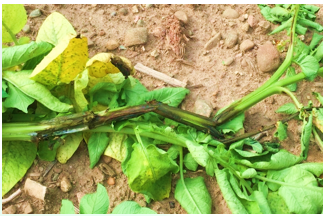
This is a disease of potatoes that spreads through the Black-leg bacteria. As a result of the attack, the leaves wilt, yield decreases, and the plant weakens. The stem and underground part of the potato turn black. The disease is more prevalent in the final stages of crop growth. In case of severe attack, tubers also get affected. The potatoes become soft and emit a foul smell. This disease is transmitted through seeds.
Disease Symptoms:
If the humidity is high, these bacteria can attack the crop even during the growing season. As a result of the attack, there is a wilting of the leaves, a decrease in yield, and the top portion of the plant becomes blackened. This disease is transmitted through the seed. The plants are affected by this disease, wilt and the smell of decay is produced. New potatoes are also infected and are smeared with decayed parts attached to the root. The leaves of the spring plant wither and die, and eventually it causes spread of disease to nearby healthy plants. If a wound occurs on the tuber during the storage or under field conditions, there are likely more chances for occurrence of this disease. This disease may spread from one tuber to others during storage conditions as well. If the attack is severe, rotting of tubers occurs.
Mode of Disease Spread:
The disease affects most of the plants or potatoes that are infected with it. Once these potatoes are planted, they spread the disease through irrigation water to nearby plants, causing them to become infected. If the temperature is between 3 and 35oC, the risk attack of this disease increases when one crop of potatoes is followed by another. The potato crop can be protected from this disease by growing it at a temperature of 23 to 25 degrees Celsius in dry and warm soil. In stores, this disease can spread rapidly and attack with intensity.
Disease Management:
- Use healthy seeds and remove affected plants.
- This disease spreads through the Jassid insect, so control it.
- Do not cultivate potatoes in the affected field for 2-3 years.
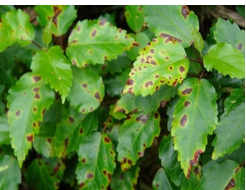
7. Angular Leaf Blight:
This disease commonly attacks cucumbers, but it can also be found on other vegetables. Initially, yellow spots appear on the plants, which later turn brown. The infection eventually dries up and breaks off. The spread of the disease occurs through the bacteria present on the infected plants and by air. Rainfall accelerates the spread of this disease.
8. Potato Leaf Curl Virus:
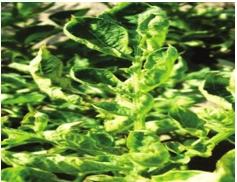
Potato Leaf Roll/Curl Virus (PLR/CV) was once the most common virus in potato seed stocks and also caused the greatest yield loss in potato (specially stored potato).
Symptoms:
Initial transmission occurs when plants get infested and fed upon by virus-carrying aphids during the growing season. Secondly, plants grown from infected seed develop rolled margins of lower leaves, which become crisp and dry.
Biological Control:
Reducing aphid population by means of predator is a helpful preventive measure. Ladybirds, solider beetles and some type of flies eat adults of aphid and larvae.
Chemical Control:
Chemical treatment of potato leaf curl virus is not possible. However, the aphid population can be controlled to some degree.
Preventive Measures:
- Use seed tubers from healthy plants.
- Plant resistant varieties if possible.
- Monitor the field, pick and destroy diseased plants.
- Destroy weeds and volunteer plants that can host the virus and feed the aphids.
9. Potato Y Viral Disease:
Potato Virus Y (PVY) is a monopartite, single stranded RNA virus that infects mainly Solanaceous plants including, potato, tomato, pepper, tobacco and eggplant. There are multiple strains of the virus including the common strain, PVYO, which causes mosaic symptoms in most hosts.
Symptoms:
The virus is transmitted by aphids. This spread is mainly local as aphids lose the ability to transmit the virus after 12 hours. Infected tubers are the main source of virus inoculum. Dark spots or streaks appear on infected leaves before they fall off (leaf drop streak) leaving a bare stem with a tuft of mottled leaves at the top. Plants grown from infected seed are stunted, pale and mottled, with small, crinkled and twisted (rugose) leaves.
Control:
- Less susceptible varieties can be selected.
- Plant certified seed
- Treat with application of soil-applied and foliar insecticides to control the aphid vectors.
- Destroy weeds and volunteer plants that can host the virus and feed the aphids.

10. Potato A Viral Disease:
PVA is a virus transmitted by many aphid species in the non-persistent manner. As in the case of PVY, PVA can be acquired by M. persicae in less than one minute and transmitted to another leaf equally rapidly with no latent period. Virus A is widespread in most potato-growing countries but it is considered much less important than PVY. Most cultivars are resistant and yield losses are usually low even if the level of infection can reach up to 40% in some cultivars or in the case of co-infection with other viruses.
Control:
- Less susceptible varieties can be selected as documented on National List
- Plant certified seed
- Treat with application of soil-applied and foliar insecticides to control the aphid vectors.
- Destroy weeds and volunteer plants that can host the virus and feed the aphids.
11. Common Scab:
The main source of the disease is infected soil. Potato scab is caused by a bacterium-like organism, Streptomyces scabies that overwinters in soil and fallen leaves.
Symptoms:
Shallow and irregular spots on the tuber, occasionally with a raised appearance. Deep cracking and pits develop in severe cases.
Control Measures:
- Avoid raising soil pH levels with lime prior to growing potatoes
- Plant disease free tubers
- Irrigate when soil moisture is high and allow the crop to dry out before harvest
- There is no chemical treatment available.

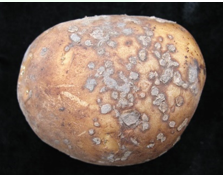
12. Powdery Scab:
This disease attacks the potato crop in cold and moist soils, especially in soils with a pH of 6.5 or higher.
Symptoms:
This disease affects the stems and parts of the plant uniformly. At the beginning of the disease, small, blister-like, brownish spots appear on the potatoes, which later turn into wounds. However, the fully-grown potatoes are present in the form of brown scabs that later become the cause of the spread of the disease.
Mode of Disease Spread:
The hard seed fragments resulting from preparatory measures remain present in the remaining crops from the previous season for a long time and eventually become the cause of disease spread. The disease can also spread through affected seeds. It spreads easily at a temperature range of 25-30oC.
Disease Management:
- It is advisable to use disease-free seeds.
- The disease can be controlled by maintaining suitable and moist soil during the stages of potato formation. This reduces the risk of fungal infection during cultivation
- In fields where this disease has been observed, it is recommended to rotate suitable crops for at least three consecutive years.
- Used plant varieties with better disease resistance.
Important Remedies to control potato diseases:
- Use disease-free seeds for potato cultivation.
- Avoid planting small-sized potatoes.
- Treat the seeds with suitable fungicides before planting.
- Remove diseased plants from the field.
- Spray insecticides against stem borers.
- Manage weeds effectively.
- Avoid planting potatoes in affected fields for 2 to 3 years.
| Sr.No | Disease | Chemical Name | Recommended Dose / acre |
|---|---|---|---|
| 1 | Early and Late Blight | Pyraclostrobin+Metyram 60% Trifluoxystrobin+Tubaconazole (75%) Diamethamorph + Mancozeb 69% Fosytile aluminum 80 percent Propynab+Aprovelicarb 66.8% |
600 g/100liter water/acre 65 g/100liter water 500 g/100liter water 250 g/100 liter water 300-500 g/100 liter water |
| 2 | Fusarium Wilt/Potato Wilt | Thiophenate methyl 70 % Fosytile aluminum 80 % |
1 kg flood/acre |
| 3 | Angular Leaf Blight | Copper oxychloride+kasogamicine 47% | 250-500 g/100 liter water |
| 4 | Black leg of potato | Copper oxychloride+kasogamicine 47% | 500 mL flood in 1 acre |
| 5 | Stem canker | Penflufen 24% ( Emesto by bayer Company) | 100 mL for 1 acre seed treatment |
| 6 | Rhizoctonia | Flutolanil (Moncut by Arista Company) | 15 mL for 100 kg seed |
| 7 | Potato Virus | AminoacidcMulti-micronutrients 10% (Zinc, Iron, Manganese, Copper) | 400-500 mL |
| 8 | Potato wilt | Chlorothalonil +Pyrimethanol 40% | 1 liter per acre |
Reasons of Potato cracking:
- Excessive use of nitrogenous fertilizers.
- Water deficiency at critical stages of the crop growth.
- Potassium deficiency
Insects / pests and their management
Jassid:
Very active, greenish in color insect of about 3.5 to 5mm length having a black spot on each transparent fore wing. It turns reddish brown during winter. Both nymphs and adults of it, sucks plant sap as a result of their severe attack, the leaves curl, turn pale, bronze and dry up.

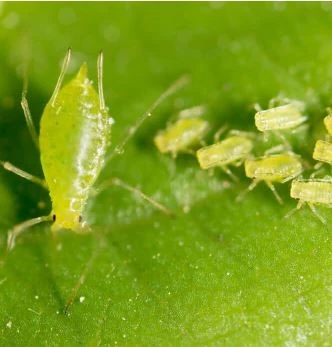
Aphid:
Aphids are tiny yellowish to dark-green soft-bodied insects, the adult is 1mm long and has two projections/ small ducts called cornicles on the dorsal side of abdomen.
Direct damage:
- It sucks the juice from delicate parts.
- Insect usually damages the young and soft parts, such as new leaves and shoots.
- Early symptoms are apparent on leaves, not opening properly and remain smaller.
- Severe infestation can cause shoots to wilt and dry out.
Indirect damage:
- Aphids have wings and show movement on different plants thus spreading viral diseases (potato Y virus and potato leaf roll virus).
- Aphids secrete a sugary liquid that stimulates black sooty mold growth. It can cover the surface of leaves which affects the way they absorb sunlight.
White Fly:
Symptoms:
It is small winged insect having light yellow body of 1.0-1.5mm length dusted with a white waxy powder. Wings are pure white and has prominent long legs. Nymphs suck sap from the leaves and lower their vitality. Sooty mold develops on infected leaves and the plants appear sick. The growth of the heavily attacked potato crop is arrested.

Cut worm:
Potato cutworm moth is medium sized (22-26 mm longer), stout with greyish brown wavy lines and spots on fore wings, creamy white in colour. The moths are active at dusk and are attracted by light. Full grown caterpillars are 40-48 mm long, dirty black in colour and having habit of coiling with slight touch.
Mode of Damage:
- The young larvae feed on the epidermis of the leaves.
- Older larvae come out at night and feed the young plants by cutting their stems, either below the surface or above the ground and thus affect their growth, vigor and yield.
- They also damage the tubers by eating away parts. Under severe damage, up to 40% of the tubers are badly affected.
Fall Army Worm (FAW):
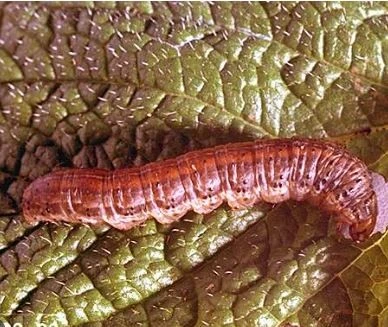
Full-grown fall armyworms are 4 cm long, varying in colour from light or green to near-black. Three white, thin strips run down the back. One thicker, yellow band with red spots runs along the side, just above the legs of the larvae. FAW has an inverted "Y" on their dark head. Larval stage insects are mostly active at night and feed on the leaves of plants, although they can also damage stems and fruit. They move in groups, or "armies," which is where their name come from.
Army worm:
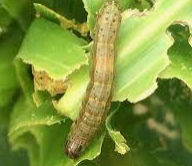
Army worm is light brown in color, with blackish-brown spots on its wings that form a net-like pattern of white lines. The color of the larvae is greenish-brown or black. The larvae attack in groups, eating the leaves in such a way that only the veins remain intact, feeding on the edges of leaves, and defoliation of the plant may occur.
Potato tuber worm/ moth:
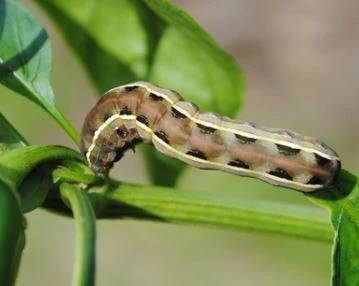
The body of this moth is reddish-brown in color and the color of its wings is slightly brownish red. The edges of the wings are scalloped and the color of the scales on the edges is brownish-yellow. Its larva is greenish-brown in color with some earthy tones. The female lays eggs on the potato tuber and the larva enters the potato, making tunnels and causing the potato to rot.

Chemical Control
| Insect pest | Recommended Chemical | Quantity per Acre |
|---|---|---|
| Aphid, Jassid | Flunicamid 50% Dinotifuran 30% Dinotifuran 20% Niton pyram 50% |
60 g / acre 75 mL /acre 120 mL /acre 50 g / acre |
| White Fly | Acetamaprid 20% Flunicamid 50% |
125 g/ acre 80 g/ acre |
| Army Worm | Emamectin + leufenuran 3% | 400 mL / acre |
| Fall Army Worm, Cut Worm | Emamectin + Indoxacarb 9% | 150 mL / acre |
Harvesting
Crop is ready for harvesting when majority of the leaves turn yellow-brown and fall on ground. Harvest crop 15-20 days after dehaulming (cutting of foliage close to ground) at proper moisture in soil. Harvesting can be done by tractor drawn potato digger or manually with help of spade or khurpi. After harvesting potatoes are spread on ground and allowed to dry in shade, keep them in heaps for 10-15days in shade for curing of skin. Remove damaged and rotten tubers. Do sorting of tubers and remove cut, injured tubers. After sorting grading is done depending upon diameter or size of tubers. During the autumn season, from December to January, prices for potatoes are usually higher. To take advantage of this, farmers often pile up the harvested potatoes in a heap. However, this can cause the potatoes to start sprouting and lose their shape if the heap is not properly ventilated.
- Stack the potatoes one foot above the ground on a bed.
- Install ducts or pipes for air circulation inside the stack.
- Keep these ducts closed during the day to prevent warm air from passing through, and open them at night to allow cool air to pass through.
- Use straw to help insulate the stack and release excess heat.
- Place a suitable cover over the top of the stack to protect it from seasonal changes.




.webp)
