Pearl Millet Production Plan by GROWTECH

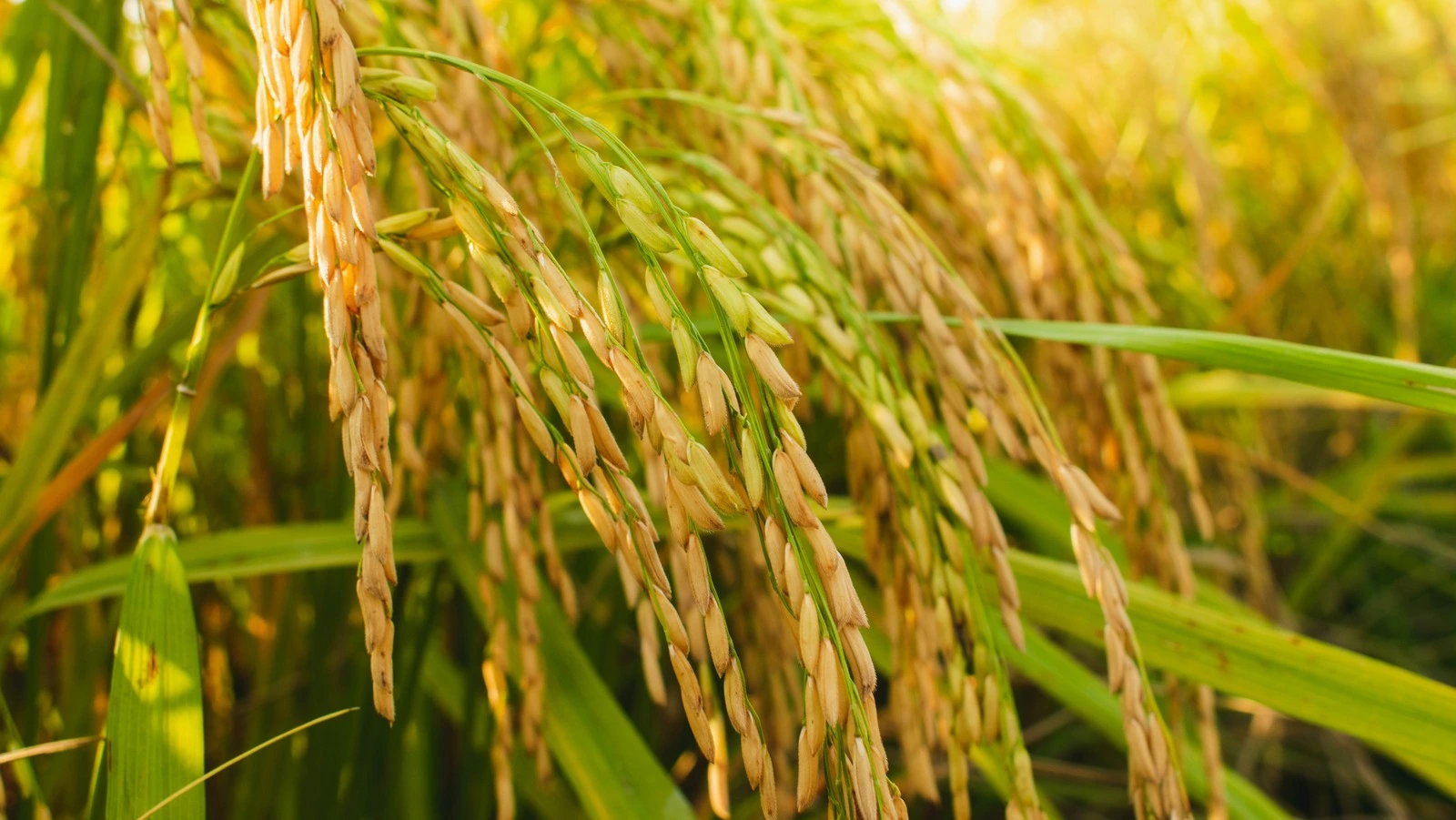
Bajra or pearl millet is a widely grown millet in the world. Along with human consumption, it is used for fodder purposes, its stalks are used to feed animals.

Pearl Millet Production Plan by GROWTECH

Bajra or pearl millet is a widely grown millet in the world. Along with human consumption, it is used for fodder purposes, its stalks are used to feed animals. Pearl Millet is an important coarse grain crop in Pakistan, especially in areas where drought is common, despite its economic importance, this crop has received little attention compared with wheat, rice and maize. It is grown almost in all provinces but particularly in districts: Gujrat, Gujranwala, Chakwal, Mianwali, Bahawalnagar, Bahawalpur, Rawalpindi, Attock and Jhelum in Punjab; Hyderabad, Khairpur, Dadu, Nawabshah and Sanghar in Sindh; Lorali, Khuzdar and Sibbi in Balochistan; and Bunnu, Karak, D.I.Khan in KP.

Land Preparation and Sowing Method

Land Preparation:

Sowing should be done in well-prepared soil to get good yield. To bring the soil to fine tilth, 2-3 ploughings should be done followed by planking. This crop can be grown on wide range of soils except saline and waterlogged soils. However, loamy soil is most suitable for cultivation where the drainage system is good. A smooth soil surface is essential for good crop production. For cultivation, plow the land two to three times and prepare it well by leveling it.

Method of sowing:

For millet sowing broadcast is very common but use drilling method for better production.

Parameter Details
Sowing Time
  • Fodder Purpose: March to May
  • Seed Purpose: July
Seed Rate
  • For Fodder Purpose: 5 to 6 kg /acre
  • For Seed Purpose: 2 to 3 kg / acre
Sowing Depth
  • Sowing of seed at depth of 2.5cm.
Spacing
  • Row to Row: 50cm
  • Plant to Plant: 15cm

Approved Varieties of Pearl Millet

Use healthy seed of improved & certified varieties of Millet

Varieties Importance
Sargodha Millet-2020
  • It can be cultivated in slightly saline soils.
  • Crop is resistance against diseases and insects
  • In terms of nutrition and seed production, it is relatively better than other varieties.
Sargodha Millet-2011
  • It has better resistance against insect pests and diseases.
  • Tall, single cut, resistant to lodging, long duration and tolerant to palatability and digestibility.
  • It gives 700 maunds/acre green fodder yield۔
MB-87
  • Multi cut, short statured variety
  • Low chance of lodging
  • It gives 500 maunds/acre green fodder yield

Fertilizer Management

GROWTECH recommends crop-specific fertilizer application based upon the soil available carbon, nitrogen and fertility status in balanced amount to achieve better crop growth and 15-20% higher yield.

Following are the recommendations for average fertile soils.

Primary Nutrients kg / acre Chemical Fertilizer Bags /acre
Crop Condition Nitrogen Phosphorus Potassium Sowing Time 1st Irrigation
Single Cut Variety 32 23 12.5 1 bag DAP + half bag SOP 1 bag UREA
Multi Cut Variety 20 23 12.5 1 bag DAP + half bag SOP 1 bag UREA

Note: For multi cut varieties use recommended amount of nitrogen after every harvest.

Weeds Management
Pearl Millet

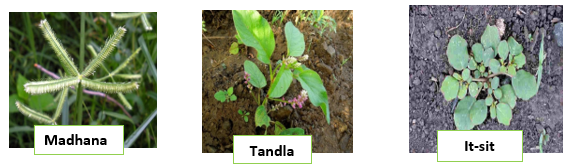
Commonly damaging weeds in pearl millet cultivation are Itsit, Tandla, and Madhana grass. It is recommended to use a weedicide with the first irrigation. For chemical weed control, spray Pendimethalin @ 600-800 ml or Atrazine 38 SC @350 ml per acre in 120 liters of water within 24 hours of sowing.

Insect/ pest and their Management

1. Termites:

Termites cause discoloration of plants and stunted growth, ultimately leading to yellowing of the leaves and wilting of the plants.

Chemical control:

Fipronil 5% SC @ 960 ml flood/ acre OR Chlorpyrifos 40 EC @ 2liter flood/ acre.

2. Shoot Fly:

In the initial stage of the crop, there is a shoot fly attack. The maggots damage the stem and cause wilting of the plant, which is commonly referred to as dead heart.

Chemical Control:

  • Chlothenadin 20% SC @ 200-300 ml/ acre.
  • Emamactin 2% + Carbosulfan 23% @ 200 ml/acre.
  • Bifenthrin 10 percent EC@ 330 ml/ acre

3. Stem Borer:

The larvae of stem borers feed on plant leaves and cause internal damage to the stem, which affects the plant's food and water supply. This ultimately leads to the drying of the plant.

Chemical Control:

Fipronil 5% SC @ 960 ml flood/ acre OR Chlorpyrifos 40 EC @ 2liter flood/ acre.

4. Air Head Bug:

Adults and young suck the sap from the grains in the milky stage, causing the attacked grains to shrink and turn black in color.

Chemical Control:

Chlothenadin 20% SC @ 200-300 ml / acre OR Bifenthrin 10% SC@ 330 ml / acre.

5. Shoot Bug:

Adults and young suck the sap from the leaves, cause stunted growth, ultimately leading to yellowing of the leaves.

Chemical Control:

Chlothenadin 20% SC@ 200-300 ml / acre OR Bifenthrin 10% SC @ 330 ml / acre.

6. Aphids:

They suck the sap from the plants and excrete a sweet substance, which initiates growth of sooty mold fungus on the leaves and stems.

Chemical Control:

Acetamiprid 20% SP@ 125- 150 g/acre OR Carbosulfan 23% + Emamactin 2%@ 200 ml /acre.

Diseases and their Management

1. Downy mildew:

In severe infestation, white growth appears on both upper and lower side of leaves. Ear head is transformed into leafy structure.

Chemical control:

Take spray of Propynab 70 % WP @ 500 gram /acre.

2. Rust:

Reddish brown to reddish orange spots are developed on foliage.

Chemical control:

Azoxystrobin 20% + Tebuconazole 30% SC @ 100 ml spray/acre OR Sulfur 45% Triadimephane 5% SC @ 400 ml spray/ acre.

3. Millet leaf spot:

Reddish brown to reddish orange spots are developed on foliage.

Chemical control:

Copper Oxychloride + Kasogamicin 47% WP @ 250gram spray / acre.

4. Ergot:

Honeydew like substance is secretes on earheads. After 10-15days these droplet dry and turn into dark brown to black color. Seeds are replaced with black color fungus.

Chemical control:

As a preventive measure, apply chemical spray of Mancozeb 2 gm/L of water at time of ear head formation. Repeat application of spray with interval of 3 days.

Harvesting

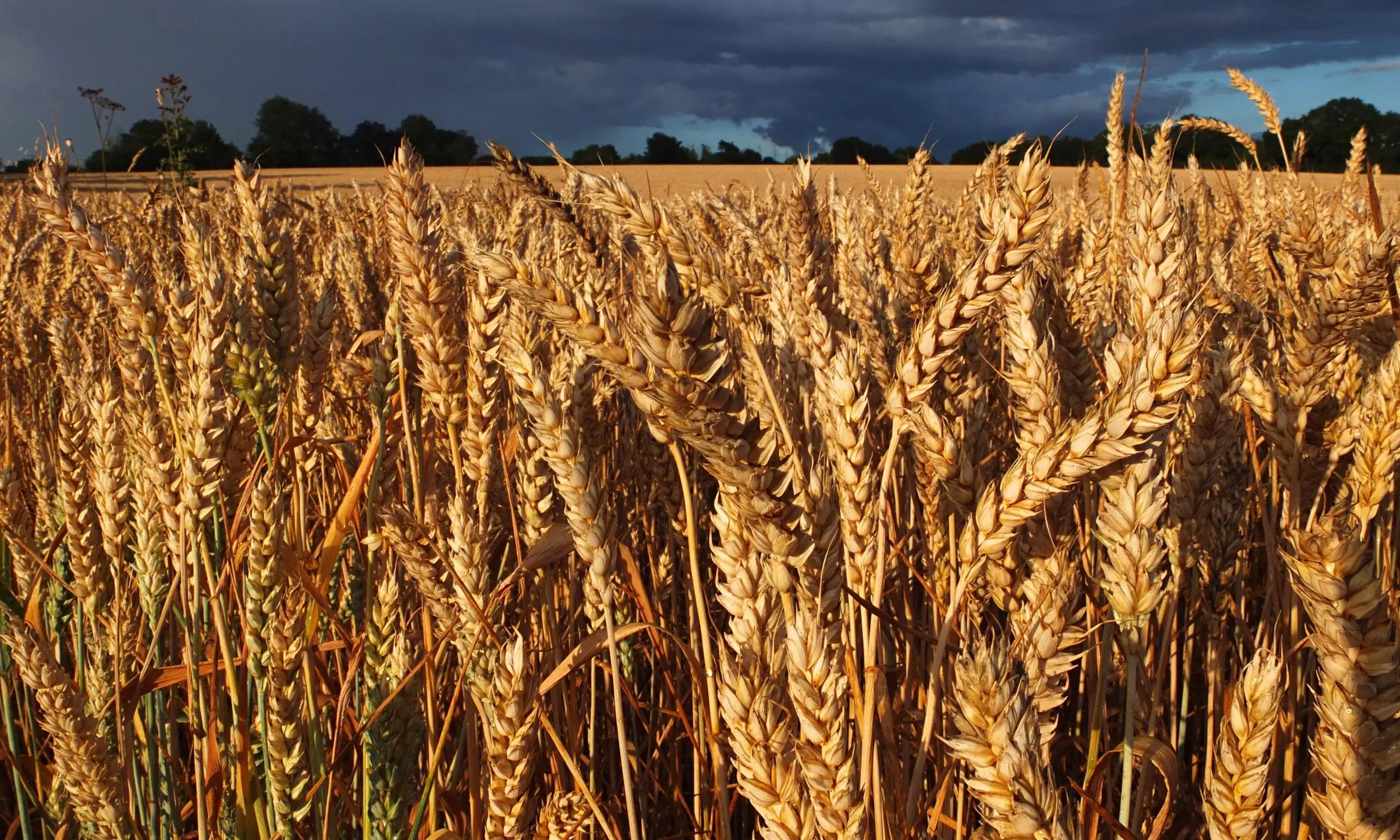
The millet crop for fodder is ready for harvest in the month of August. When 50% of the flowers appear, the crop biomass attains maximum of its nutrients, so it is the best time to harvest it for fodder purpose. Since this fodder does not contain any toxic substance, it can be fed to animals at any time. In rainfed areas, the yield of green fodder crop is estimated up to 200 to 250 mounds per acre, while in irrigated areas, it can be as high as 500 to 600 mounds per acre. The seed-producing crop yields 10 to 15 mounds of seeds per acre.
Pearl Millet Production Plan - GrowTech
Advisory / Pearl Millet

Pearl Millet Production Plan by GROWTECH

Bajra or pearl millet is a widely grown millet in the world. Along with human consumption, it is used for fodder purposes, its stalks are used to feed animals.

Pearl Millet Production Plan by GROWTECH

Bajra or pearl millet is a widely grown millet in the world. Along with human consumption, it is used for fodder purposes, its stalks are used to feed animals. Pearl Millet is an important coarse grain crop in Pakistan, especially in areas where drought is common, despite its economic importance, this crop has received little attention compared with wheat, rice and maize. It is grown almost in all provinces but particularly in districts: Gujrat, Gujranwala, Chakwal, Mianwali, Bahawalnagar, Bahawalpur, Rawalpindi, Attock and Jhelum in Punjab; Hyderabad, Khairpur, Dadu, Nawabshah and Sanghar in Sindh; Lorali, Khuzdar and Sibbi in Balochistan; and Bunnu, Karak, D.I.Khan in KP.

Land Preparation and Sowing Method

Land Preparation:

Sowing should be done in well-prepared soil to get good yield. To bring the soil to fine tilth, 2-3 ploughings should be done followed by planking. This crop can be grown on wide range of soils except saline and waterlogged soils. However, loamy soil is most suitable for cultivation where the drainage system is good. A smooth soil surface is essential for good crop production. For cultivation, plow the land two to three times and prepare it well by leveling it.

Method of sowing:

For millet sowing broadcast is very common but use drilling method for better production.

Parameter Details
Sowing Time
  • Fodder Purpose: March to May
  • Seed Purpose: July
Seed Rate
  • For Fodder Purpose: 5 to 6 kg /acre
  • For Seed Purpose: 2 to 3 kg / acre
Sowing Depth
  • Sowing of seed at depth of 2.5cm.
Spacing
  • Row to Row: 50cm
  • Plant to Plant: 15cm

Approved Varieties of Pearl Millet

Use healthy seed of improved & certified varieties of Millet

Varieties Importance
Sargodha Millet-2020
  • It can be cultivated in slightly saline soils.
  • Crop is resistance against diseases and insects
  • In terms of nutrition and seed production, it is relatively better than other varieties.
Sargodha Millet-2011
  • It has better resistance against insect pests and diseases.
  • Tall, single cut, resistant to lodging, long duration and tolerant to palatability and digestibility.
  • It gives 700 maunds/acre green fodder yield۔
MB-87
  • Multi cut, short statured variety
  • Low chance of lodging
  • It gives 500 maunds/acre green fodder yield

Fertilizer Management

GROWTECH recommends crop-specific fertilizer application based upon the soil available carbon, nitrogen and fertility status in balanced amount to achieve better crop growth and 15-20% higher yield.

Following are the recommendations for average fertile soils.

Primary Nutrients kg / acre Chemical Fertilizer Bags /acre
Crop Condition Nitrogen Phosphorus Potassium Sowing Time 1st Irrigation
Single Cut Variety 32 23 12.5 1 bag DAP + half bag SOP 1 bag UREA
Multi Cut Variety 20 23 12.5 1 bag DAP + half bag SOP 1 bag UREA

Note: For multi cut varieties use recommended amount of nitrogen after every harvest.

Weeds Management

Pearl Millet

Commonly damaging weeds in pearl millet cultivation are Itsit, Tandla, and Madhana grass. It is recommended to use a weedicide with the first irrigation. For chemical weed control, spray Pendimethalin @ 600-800 ml or Atrazine 38 SC @350 ml per acre in 120 liters of water within 24 hours of sowing.

Insect/ pest and their Management

1. Termites:

Termites cause discoloration of plants and stunted growth, ultimately leading to yellowing of the leaves and wilting of the plants.

Chemical control:

Fipronil 5% SC @ 960 ml flood/ acre OR Chlorpyrifos 40 EC @ 2liter flood/ acre.

2. Shoot Fly:

In the initial stage of the crop, there is a shoot fly attack. The maggots damage the stem and cause wilting of the plant, which is commonly referred to as dead heart.

Chemical Control:

  • Chlothenadin 20% SC @ 200-300 ml/ acre.
  • Emamactin 2% + Carbosulfan 23% @ 200 ml/acre.
  • Bifenthrin 10 percent EC@ 330 ml/ acre

3. Stem Borer:

The larvae of stem borers feed on plant leaves and cause internal damage to the stem, which affects the plant's food and water supply. This ultimately leads to the drying of the plant.

Chemical Control:

Fipronil 5% SC @ 960 ml flood/ acre OR Chlorpyrifos 40 EC @ 2liter flood/ acre.

4. Air Head Bug:

Adults and young suck the sap from the grains in the milky stage, causing the attacked grains to shrink and turn black in color.

Chemical Control:

Chlothenadin 20% SC @ 200-300 ml / acre OR Bifenthrin 10% SC@ 330 ml / acre.

5. Shoot Bug:

Adults and young suck the sap from the leaves, cause stunted growth, ultimately leading to yellowing of the leaves.

Chemical Control:

Chlothenadin 20% SC@ 200-300 ml / acre OR Bifenthrin 10% SC @ 330 ml / acre.

6. Aphids:

They suck the sap from the plants and excrete a sweet substance, which initiates growth of sooty mold fungus on the leaves and stems.

Chemical Control:

Acetamiprid 20% SP@ 125- 150 g/acre OR Carbosulfan 23% + Emamactin 2%@ 200 ml /acre.

Diseases and their Management

1. Downy mildew:

In severe infestation, white growth appears on both upper and lower side of leaves. Ear head is transformed into leafy structure.

Chemical control:

Take spray of Propynab 70 % WP @ 500 gram /acre.

2. Rust:

Reddish brown to reddish orange spots are developed on foliage.

Chemical control:

Azoxystrobin 20% + Tebuconazole 30% SC @ 100 ml spray/acre OR Sulfur 45% Triadimephane 5% SC @ 400 ml spray/ acre.

3. Millet leaf spot:

Reddish brown to reddish orange spots are developed on foliage.

Chemical control:

Copper Oxychloride + Kasogamicin 47% WP @ 250gram spray / acre.

4. Ergot:

Honeydew like substance is secretes on earheads. After 10-15days these droplet dry and turn into dark brown to black color. Seeds are replaced with black color fungus.

Chemical control:

As a preventive measure, apply chemical spray of Mancozeb 2 gm/L of water at time of ear head formation. Repeat application of spray with interval of 3 days.

Harvesting

The millet crop for fodder is ready for harvest in the month of August. When 50% of the flowers appear, the crop biomass attains maximum of its nutrients, so it is the best time to harvest it for fodder purpose. Since this fodder does not contain any toxic substance, it can be fed to animals at any time. In rainfed areas, the yield of green fodder crop is estimated up to 200 to 250 mounds per acre, while in irrigated areas, it can be as high as 500 to 600 mounds per acre. The seed-producing crop yields 10 to 15 mounds of seeds per acre.